Patrice Up Close
Patrice Gaines is an author, motivational speaker, psychic, and spiritual life coach dedicated to helping others transform their lives. Her autobiography, Laughing in the Dark, details her journey from heroin user and abused woman to award-winning journalist and good mother. She is also author of Moments of Grace, which outlines her path to change. Patrice was a reporter at The Washington Post for 16 years. She is a justice advocate and abolitionist who believes crime can be reduced without depending on the mass incarceration of human beings.
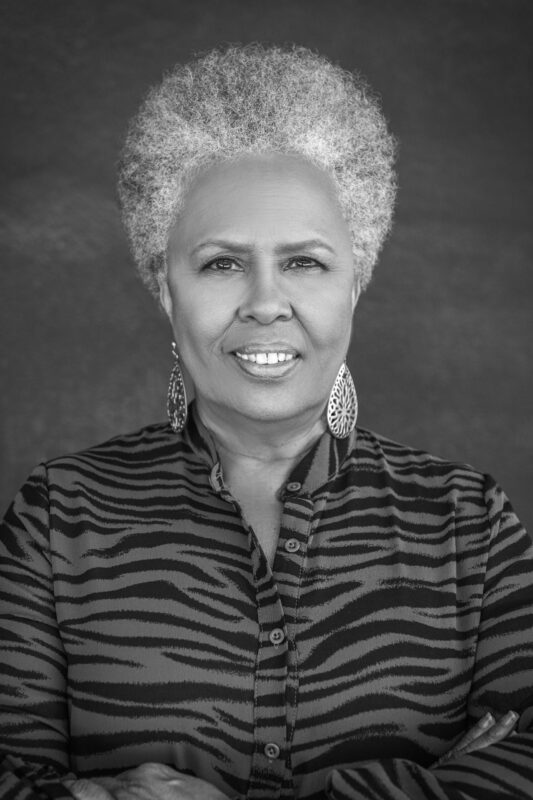
Her Story
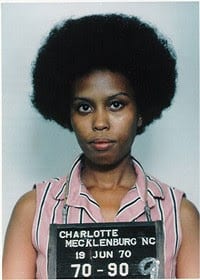
Patrice learned “the hard way.” Instead of college, she chose heroin. It was a long and painful course. At 21, when she was a single mother, she became a convicted felon, pleading guilty to possession with intent to distribute and possession of a needle and syringe. She spent part of a summer in a Charlotte, N.C. jail and many more years imprisoned by her shame and self- hatred.
On the long climb back she was the victim of a brutal beating and more than one rape; bad marriages and abuse. But she had a praying grandmother, a cheering mother, a baby girl depending on her healing, and an indomitable spirit that longed for enlightenment.
Much of her adult life has been spent working on issues related to being a woman in a patriarchal country that consistently denies that racism and sexism exist. Today, she facilitates self-improvement workshops for women both inside and outside of prisons, at conferences and in churches. Her writing workshops turn into healing spaces. Participants leave free to write– with clarity and passion.
Patrice has taught classes and volunteered for years at the Charlotte Jail, the place where she most often sees reflections of her old self. It is her greatest desire to put the prison industrial complex out of business. Patrice believes a country that does not depend on cages to treat drug addiction or to alter the behavior of human beings will be a society in which everyone is healed from the tremendous paralyzing anxiety called “fear.”
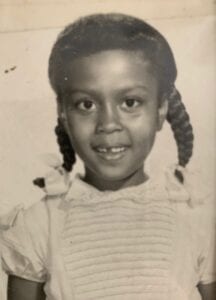
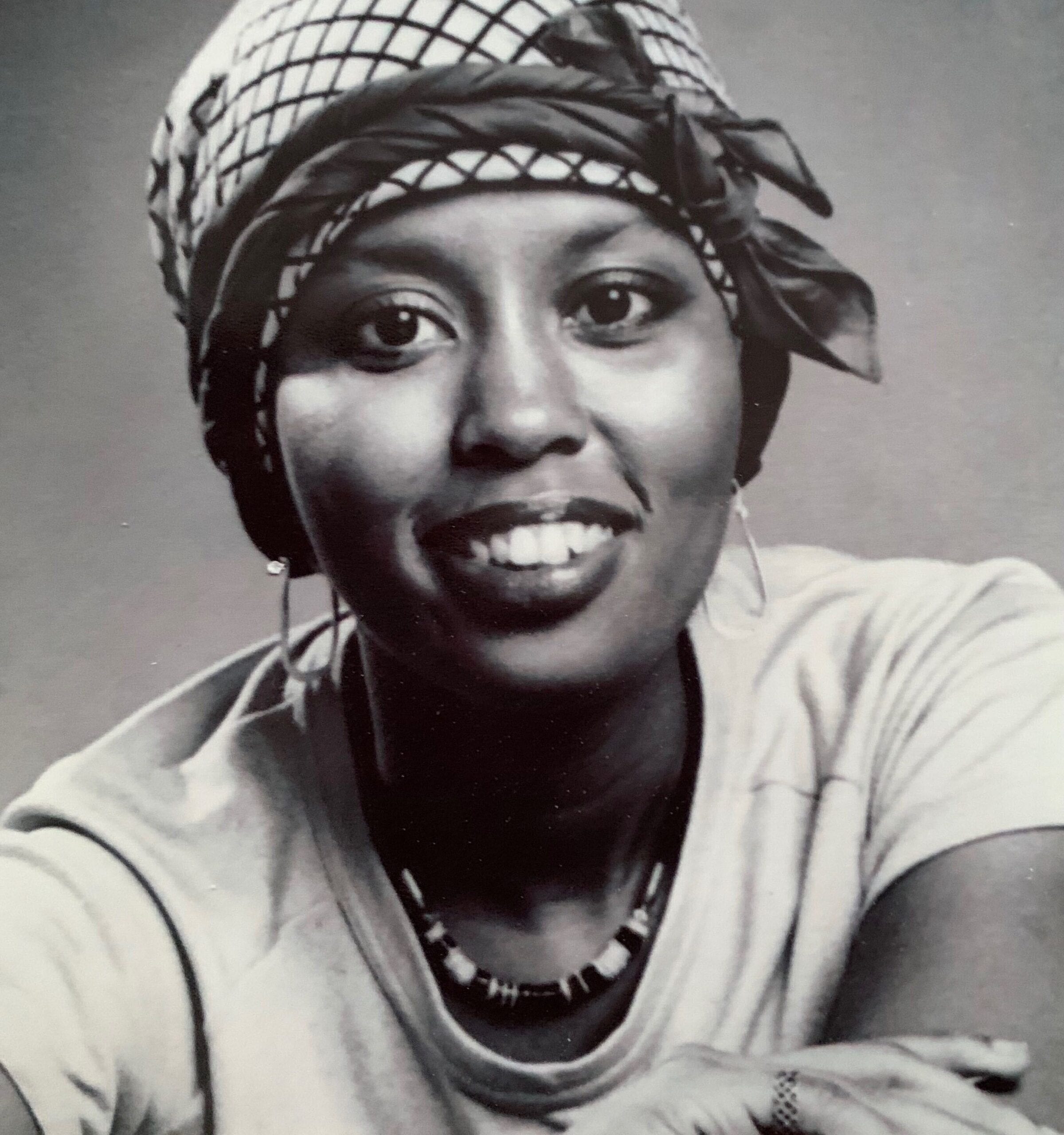
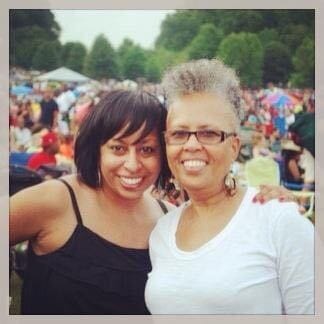
Author/Speaker
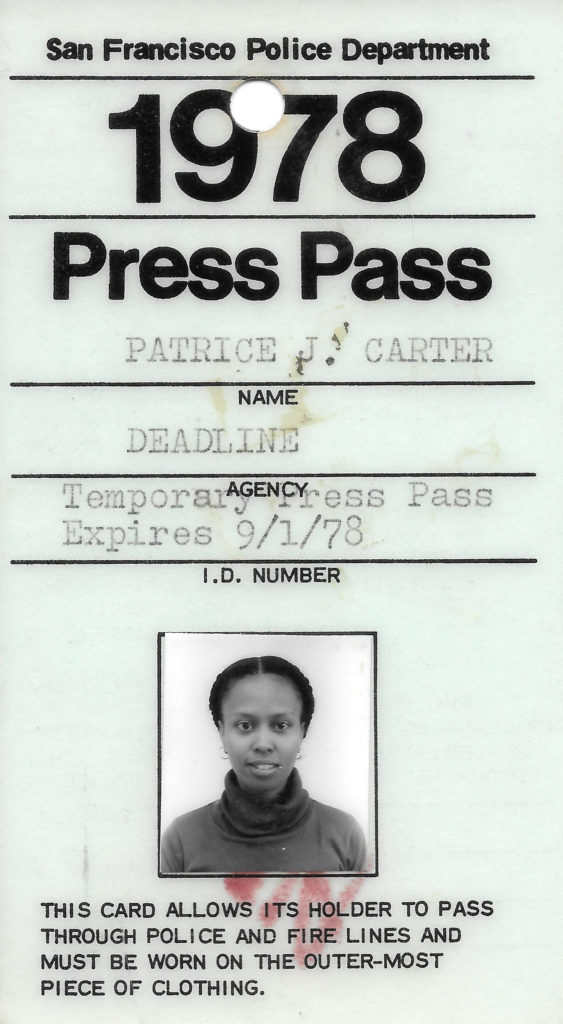
At 19, Patrice began writing secretly about her pain—her self-hatred, anger and dissolution in the world. She wrote what she today calls “bad poetry.” Writing made her feel better, less angry. She came to believe there was healing magic in writing. So she took creative writing and English classes and studied. Eventually, while working as a researcher at The Charlotte News in Charlotte, N.C., she was chosen for the Maynard Institute Summer Program for Minority Journalists, operating from the University of California, Berkeley.
Ignited by other people’s faith in her talent, Patrice became a reporter, working at the Miami News, the Washington Star and then for 16 years at the Washington Post, where she garnered awards for stories about ordinary people overcoming extraordinary challenges.
Today, she is the author of two books—her bestselling memoir Laughing in the Dark—From Colored Girl to Woman of Color, A Journey From Prison to Power; and her inspirational Moments of Grace—Meeting the Challenge to Change.
Patrice has been a guest on The Oprah Winfrey Show and was featured on a segment of Dateline NBC. Her articles have appeared in numerous publications, including Essence and The New York Times Magazine. She has been a commentator on several National Public Radio shows, including All Things Considered. She is also co-author of Say Their Names—How Black Lives Came to Matter in America and her work appears in several anthologies.
Justice Advocate
At 21, Patrice was a heroin abuser. She used drugs to escape her own sense of hopelessness and worthlessness. She was arrested and became a convicted felon, pleading guilty to possession with intent to distribute and possession of a needle and syringe. She spent part of a summer in a Charlotte, N.C. jail and many more years imprisoned by her shame and self-hatred.
Over the years that followed, she fought discrimination from a society that labeled her a “criminal”, insufficient and damaged. This personal discrimination led her to become a justice advocate for others.
She has worked to change the U.S. corrections and judicial system, which overwhelmingly arrests and incarcerates Black people and poor people. Patrice uses her writing, her speeches, her teaching and speaking in prisons, as well as other volunteer efforts to advocate for change.
For six years as a Washington Post reporter, she researched a case in which eight young Black men she believed could be innocent were sentenced to decades in prison for a murder. Patrice discovered prosecutors withheld evidence that pointed to a sole perpetrator who was not one of the defendants. This evidence, jurors would later say, would have raised enough doubt to prevent them from finding the defendants guilty. While most of the men were still in prison, the case went to the Supreme Court, which ruled 6-2 that the withheld evidence found by Patrice was not material or in other words would not have changed the verdict. Thus, one innocent man died in prison and seven others served decades.
The case has since been featured in numerous articles and in documentaries, television shows and podcasts. A podcast series called “The Alley: DC’s H & 8th” case by Shannon Lynch of New America has called new attention to Patrice’s work and the injustice of the case. https://podcasts.apple.com/us/podcast/the-alley-dcs-8th-and-h-case/id1692447578
In 2025 Patrice became a board member of the Moss Justice Partners, a nonprofit that identifies and fills critical service gaps for justice-impacted individuals and their loved ones through partnerships and inventive solutions. https://